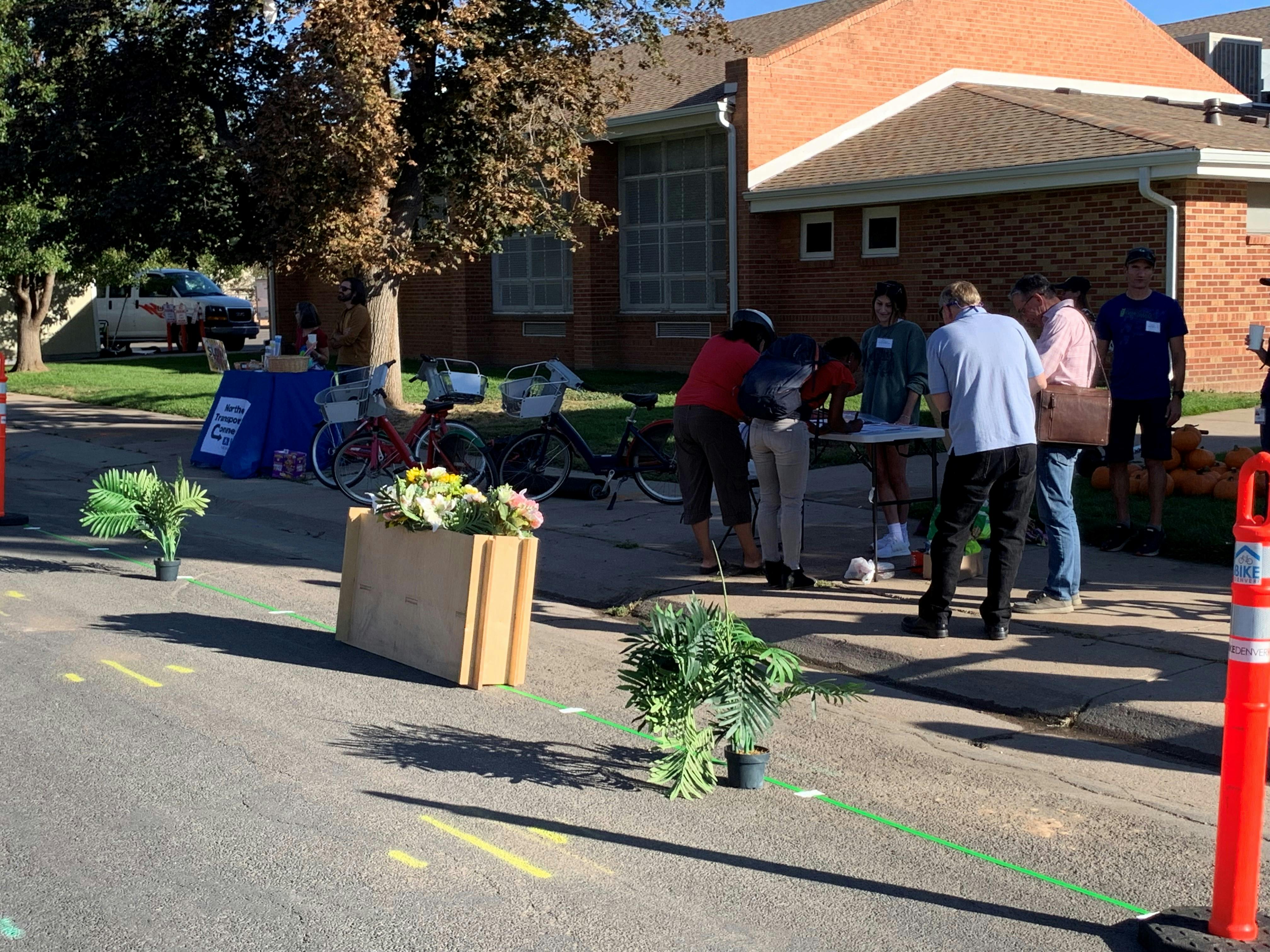
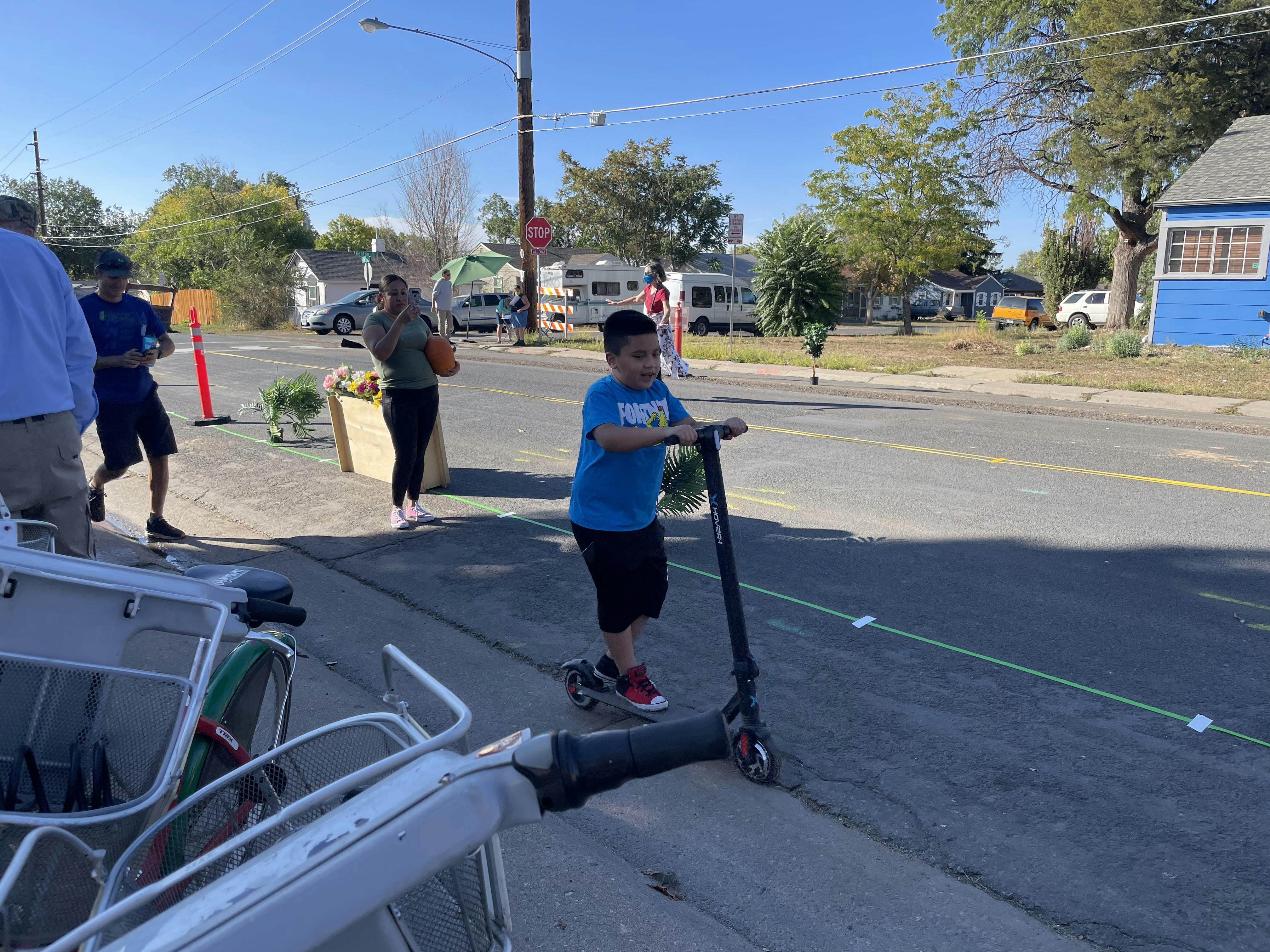
13th Avenue Multimodal Corridor Design (Yosemite to Chambers)
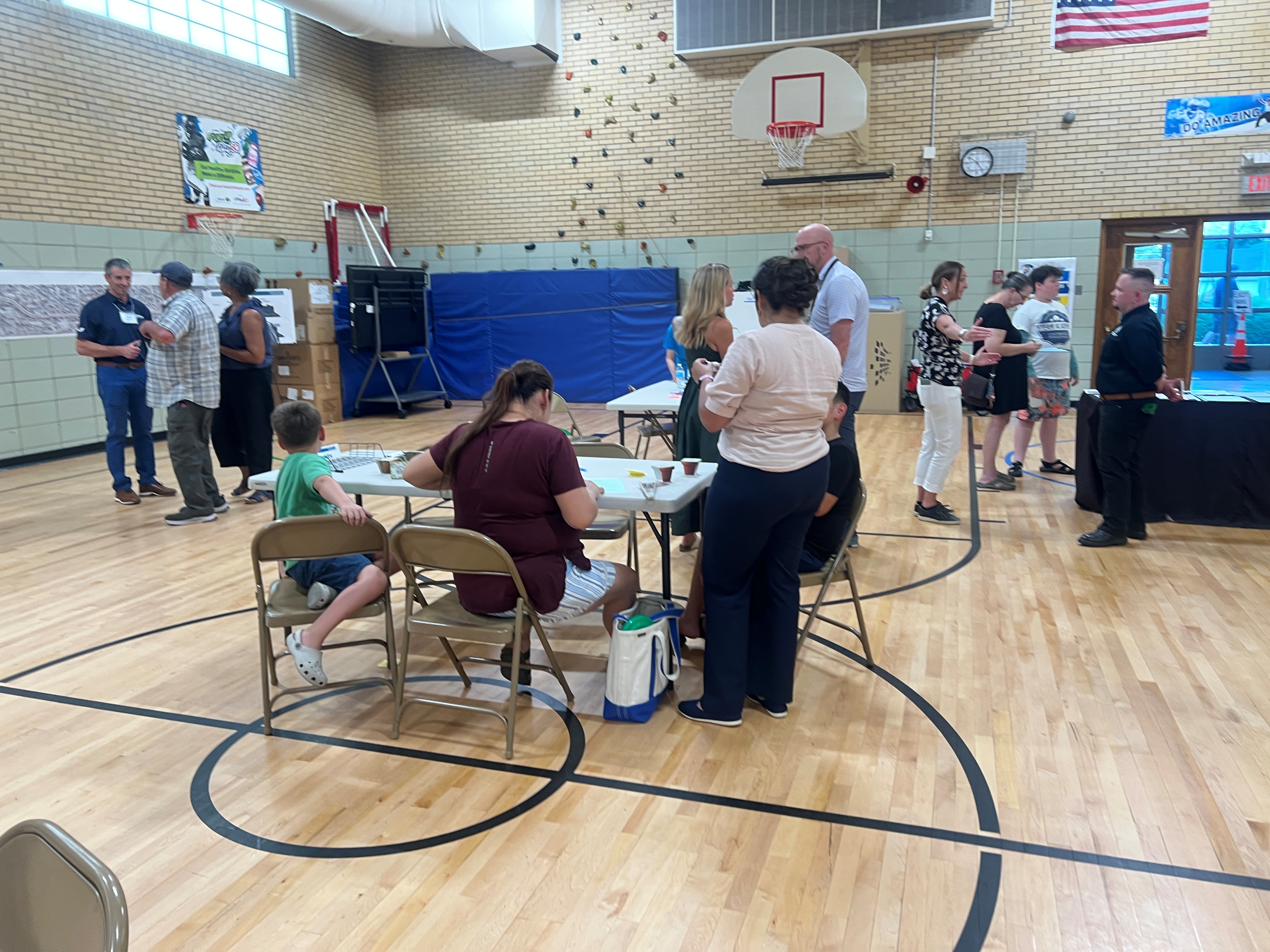 Thanks to everyone who provided input on our preliminary designs!
The survey is now closed. We will continue to post information and opportunity for input as the designs are finalized.
Public Engagement
Click on the Subscribe button to stay informed about opportunities to review the design plans, share your thoughts, and ask questions.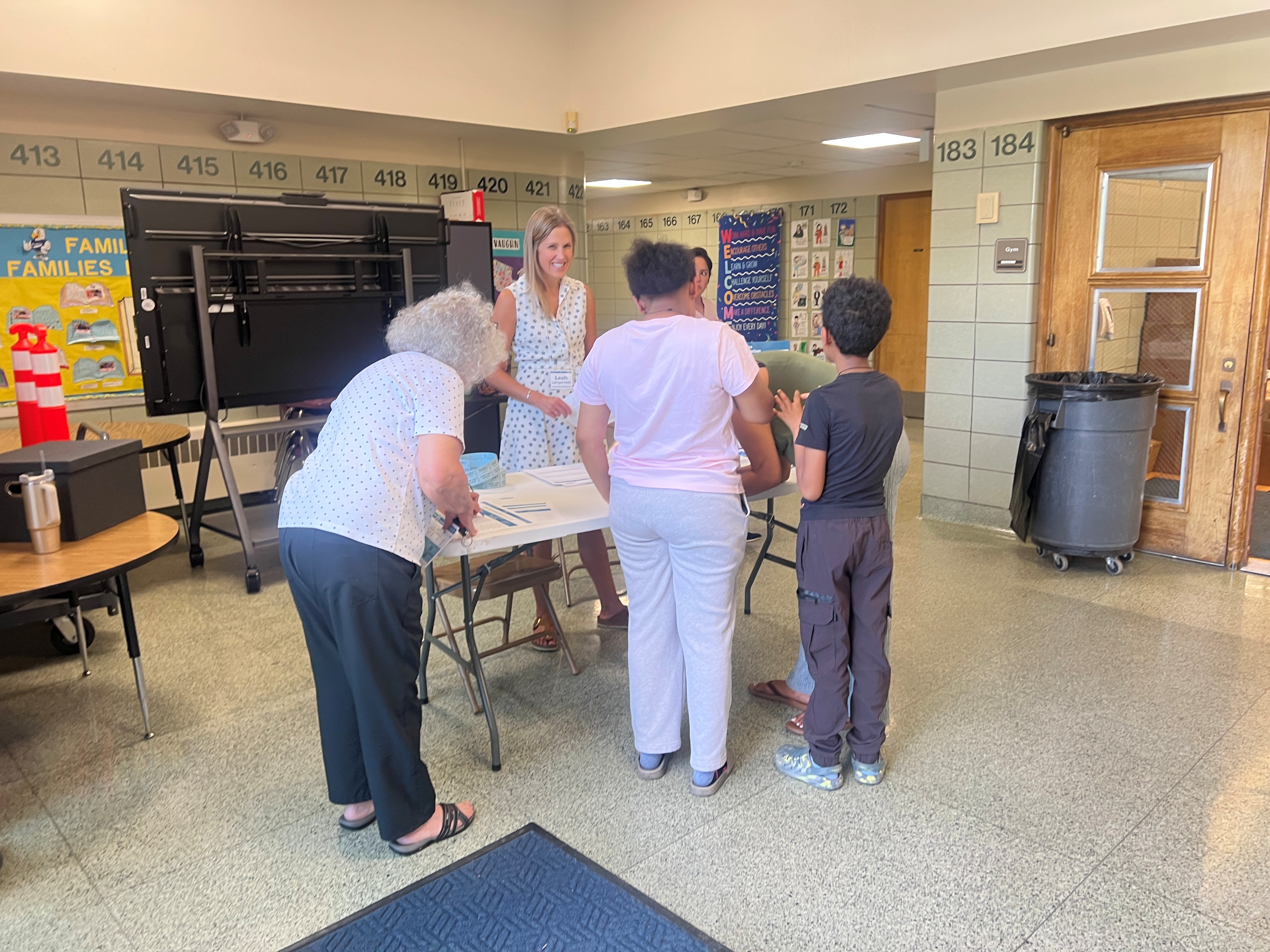
Public input played an important role in shaping the improvements recommended in the concept design during the study phase. Public outreach and community engagement efforts will continue during this design phase and help inform the corridor's final design. Engagement activities will include:
- July/August 2026: An in-person open house took place July 16, 2026, at Vaughn Elementary School to provide a project overview and present the preliminary design. An online survey was available through Aug. 14. Review the summer 2026 engagement summary report.
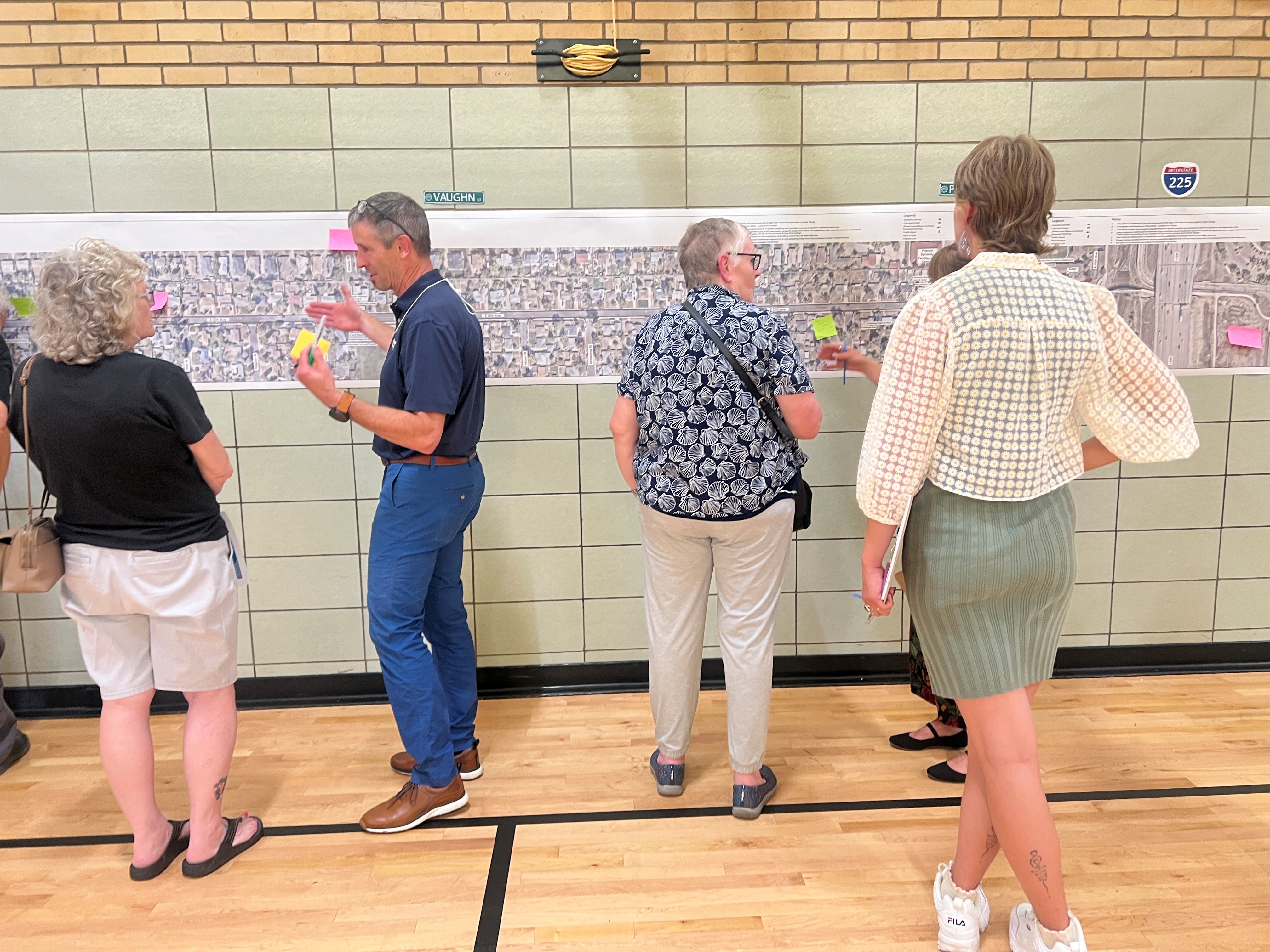
- Late Summer/Fall 2026: Focus group meetings with emergency service providers, property owners and tenants adjacent to the priority mile. The project team will collect input to maximize benefits and minimize impacts of the final design and future construction.
Review the project materials:
- 13th Ave Design Fact Sheet
- Formulario de comentarios: Diseño del Corredor Multimodal de 13th Avenue - Fact Sheet
- Open House Display Boards
- Preliminary Design 1: Yosemite to Del Mar
- Preliminary Design 2: Del Mar to Peoria
- Preliminary Design 3: Peoria to Potomac
- Preliminary Design 4: Potomac to Chambers
Project Overview
Building on the multimodal mobility study completed in 2023, the city of Aurora is embarking on the next phase of this important project to improve transportation safety, access and reliability for all travel modes on East 13th Avenue. Extensive input from residents, business owners and schools informed the 2023 study, which identified several deficiencies on the corridor, such as narrow sidewalks, a lack of bicycle facilities, inconsistent lighting, and speeding. These factors reduce access, safety, comfort, and reliability for all travel modes, including motorists, bicyclists, and pedestrians.
The 2023 study included development of a conceptual design that was shared with the public. The concept includes wider sidewalks, a shared use path, improved crosswalks and lighting, and other traffic calming elements to reduce rates of speeding on the corridor.
This project will advance the conceptual design to the next level of detail and move it closer to future construction. This design phase will translate the initial concept into detailed engineering plans. Preliminary (60%) design plans will be prepared for the full length of the project corridor. To make the most of available funding, a one-mile-long section will be advanced to final (100%) design. Once additional engineering review is complete and after evaluating public input, the city will select the “priority mile” section this fall.
A Denver Regional Council of Governments Transportation Improvement Program grant is funding this project, with matching funds from the city’s Public Works Department. Construction funding has not yet been identified and timing of construction is currently unknown.
Project Corridor
The project corridor extends along four blocks of East 12th Avenue, from Yosemite Street to Boston Street, and East 13th Avenue, from Boston Street to the High Line Canal Trail (just east of Chambers Road). This corridor functions as a critical east-west connection and provides access to neighborhoods, businesses, services, parks and multiple schools. It also provides connections to three regional off-street trails (including the Highline Canal Trail) and transit services, including RTD’s 13th Avenue Light Rail Station.
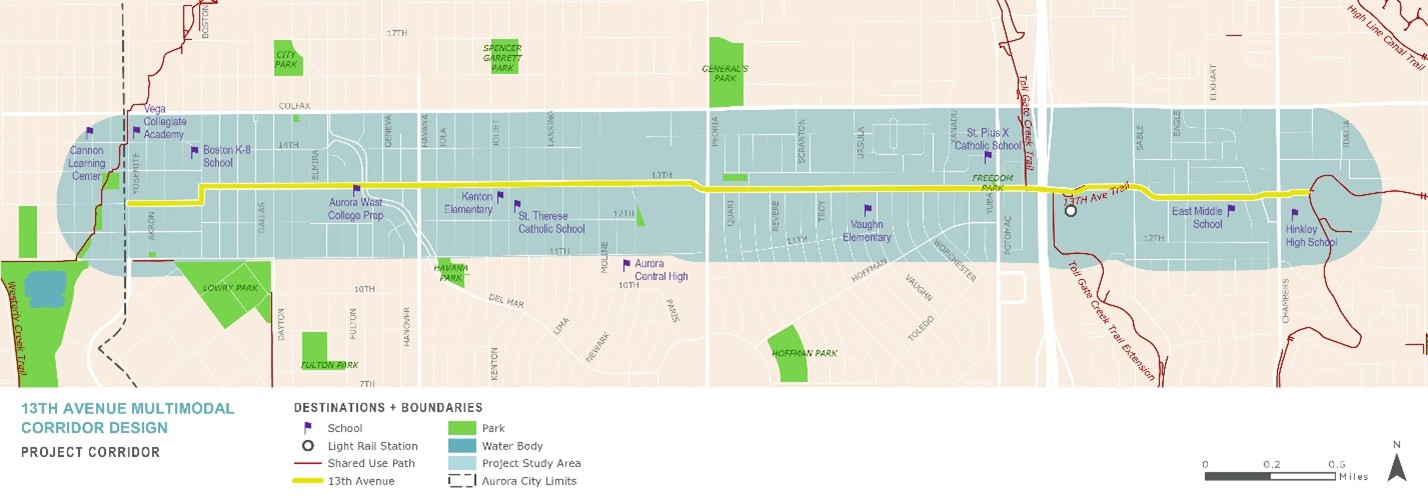
13th Avenue Multimodal Corridor design project limits
-
 13th Ave Design Fact Sheet (English) (399 KB) (pdf)
-
Diseño del Corredor Multimodal de 13th Avenue Fact Sheet_Spanish_7.16.2026 (441 KB) (pdf)
-
Open House Display Boards_7.16.2026 (5.69 MB) (pdf)
-
Prelim Design_1.Yosemite to Del Mar_7.16.2026 (15.9 MB) (pdf)
-
Prelim Design_2.Del Mar to Peoria_7.16.2026 (16.2 MB) (pdf)
-
Prelim Design_3.Peoria to Potomac_7.16.2026 (15.5 MB) (pdf)
-
Prelim Design_4.Potomac to Chambers_7.16.2026 (14.4 MB) (pdf)
-
 2023 Study Phase Documents
-
13th Avenue Mobility Study Final Report (95.4 MB) (pdf)
-
Study Phase Public Involvement Summary 1 (21.9 MB) (pdf)
-
Study Phase Public Involvement Summary 2 (16.8 MB) (pdf)
-
April 16 Open House Presentation (English) (16.9 MB) (pdf)
-
April 16 Open House Presentation (Spanish) (1.14 MB) (pdf)
-
April 7 SAC Meeting Presentation (4.53 MB) (pdf)
-
October 7 Public Meeting Presentation (30.3 MB) (pdf)
-
June 30 Public Meeting Q _ A (125 KB) (pdf)
-
June 30 Public Meeting Presentation (8.95 MB) (pdf)
-
June 24 SAC Meeting Presentation (8.38 MB) (pdf)
-
Ultima Jornada de Puertas Abiertas de la Comunidad_ 16 de abril de 2022 (727 KB) (pdf)
-
-
Summer 2026_13th Ave Multimodal Design Public Engagement Summary.pdf (623 KB) (pdf)